


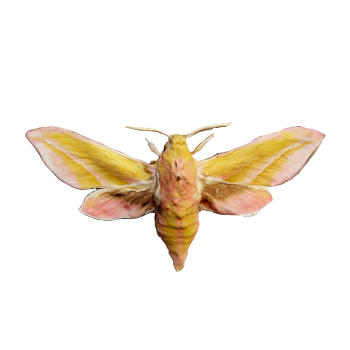
Elephant hawk moth specimen
It is a very common moth in Europe, known for its unique appearance and behavior, and is known as the "four unlike" of the insect kingdom. It has a very beautiful appearance, with soft golden and magenta scales covering its wings and body, resembling a futuristic jet plane. The larval stage usually appears dark, sometimes bright green, and is said to resemble the trunk of an elephant, but is more often compared to pet feces. It is a nocturnal creature that feeds on nectar, has a keen sense of smell and color vision, and can find flowers in the dark. Belonging to the family of hawk moths, it is known for its fast wing flapping and acrobatic flight.

Large Blue Butterfly Specimen
It is a butterfly distributed in Europe, known for its unique ecological habits and conservation needs. The adult body length is approximately between 35 and 40 millimeters, with bright blue wings and black and white spots on the edges. The larval stage is very special, and there is a symbiotic relationship with ants. They will spend time in specific ant nests, where ants protect their larvae and provide food. Larvae will mimic the appearance and behavior of ants to gain their acceptance. This unique lifecycle makes the Blue Butterfly very demanding of its habitat, requiring specific plants as a food source and habitat adjacent to ant nests.

Green Haired Butterfly Specimen
It is a small butterfly belonging to the family Nymphalidae. It is known for the bright green and white stripes at the bottom of its wings, while the upper part of its wings is a relatively dull brown. Males may perform spiral flight near shrubs, while females are less conspicuous and are usually detected during egg laying. Larvae mainly feed on plants such as rock roses and common bird footed grasses, which grow on calcareous grasslands. Distributed on various soil types, but strongly associated with areas with shrubs and shrubs. Widely distributed in the UK and Ireland, but not for garden visitors, it is usually difficult to spot. It is a medium priority species for butterfly conservation.

Grassland brown butterfly specimen
Also known as the eye butterfly, it is a butterfly commonly found on the grasslands of Europe and Asia. Belonging to the Lepidoptera family, it is a small to medium-sized butterfly with brown wings and distinct circular eye spots that may be used to scare or confuse predatory birds. Larvae typically have a velvet like brown or green color and small, forked tail like appendages on their bodies. The tips of adult antennae gradually thicken, but not significantly; Forefoot degeneration, no need for contraction, males only have one tarsi, females have 4 to 5 tarsi, and claws are completely degenerated. The underside of the wings often has numerous eye shaped circular markings near the outer edge. It appears extensively in summer, especially on the grasslands of the United States and Europe.

Leopard moth specimen
Also known as garden tiger moth, it is a widely distributed moth species in Europe and Asia, also found in North America. It is named "caterpillar" because of its bright orange and black markings on the adults and the long, dense black and ginger yellow hair covering the larvae. Active during the summer months of July to August, especially in shrub covered sand dunes, forest edges, wetland grasslands, parks, and gardens. Larvae mainly feed on nettles, soursop, and other garden plants, which provide a rich source of food. Adults feed on nectar and fly at night, possessing a protective coloration to warn predators of their unpleasant taste. It can also generate harsh sounds by rubbing its wings to resist natural enemies

Pearl edged butterfly specimen
It is a medium-sized butterfly known for its pearl shaped white spots at the bottom of its wings and bright orange wings. It appears very early in spring and can be found in forest clearings or rough slopes with ferns in April. Usually flying near the ground, often stopping to smoke spring flowers such as snowballs. The conservation status of this butterfly is highly valued in the UK, and its population is rapidly declining in the UK and Wales, currently in a highly threatened state. Larvae mainly feed on plants of the Violaceae family and require sufficient food. Plants grow in short and sparse vegetation, with abundant fallen leaves.

Ash Butterfly
Belonging to some small butterfly species in the family Lycaenidae, they are known for their soft gray, white, or brown wings and unique markings. The Grey Butterfly family is one of the largest families of butterflies, widely distributed and diverse worldwide. Larvae mainly feed on the leaves of various plants, while adults feed on nectar. Plays an important role in the ecosystem as a pollinator, promoting plant reproduction, and also serves as a food source for many bird and other insect predators. Eggs are usually laid on the leaves of the host plant. After hatching, larvae begin to feed and undergo several molts before entering the pupal stage, eventually emerging into adults.

Orange Pink Butterfly
A butterfly belonging to the family Papilionidae and genus Papiliopsis. Known for its bright orange wings, it is a common species in parts of Europe and Asia. It usually has an orange or orange red base color, and male and female butterflies have slightly different appearances. Female butterflies are usually more brightly colored, while male butterflies have lighter colors. Larvae mainly feed on plants of the Violaceae family, while adults feed on nectar. Flying at a fast speed, it frequently shuttles between flowers while searching for nectar. The activity time is mainly concentrated from late spring to autumn, especially in sunny weather. Eggs are usually laid on the leaves of plants in the family Violaceae. After hatching, larvae feed on the leaves of the plant and eventually pupate and metamorphose into butterflies

Blue Butterfly 3D Model
Usually refers to a type of butterfly with bright blue wings, belonging to various families of butterflies. The most famous ones may be the Blue Flash Butterfly and the Blue Grey Butterfly. Wings usually have a metallic blue luster, which is caused by the special structure of the scales on the wings reflecting light, rather than being produced by pigments. They are widely distributed around the world, from tropical rainforests to temperate regions where their presence can be found. Living habits and habitats vary, some prefer to fly on open grasslands, while others prefer forest edges or gardens. Larvae usually feed on plants, while adults feed on nectar.

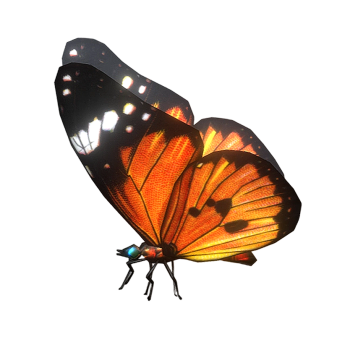
Tiger spotted butterfly (with 3D animated model)
It is a species of butterfly in the family Nymphalidae and genus Nymphalidae. Known for its unique wing pattern, the wings have distinct black stripes and orange spots that form the origin of its name. Mainly distributed in tropical and subtropical regions of Asia, including India, Southeast Asia, and southern China. The spread of wings is usually between 80 and 100 millimeters, and there is almost no difference in appearance between males and females. Larvae mainly feed on plants of the Malus genus, while adults prefer to feed on nectar. It plays an important role in nature, not only pollinating plants, but also being loved by people for its beautiful appearance.

Popular Models
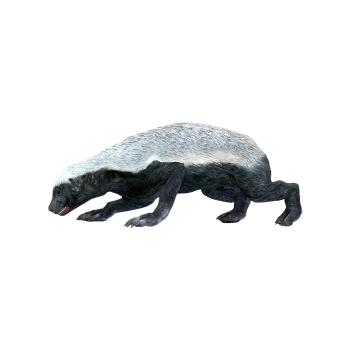
Honey Badger (3D animated model)
192 View
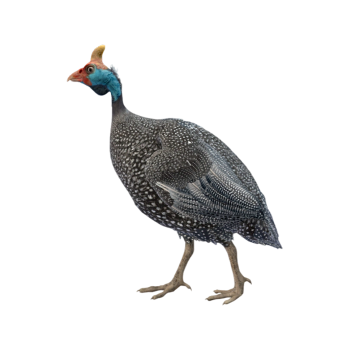
Guinea fowl (3D animated model)
163 View
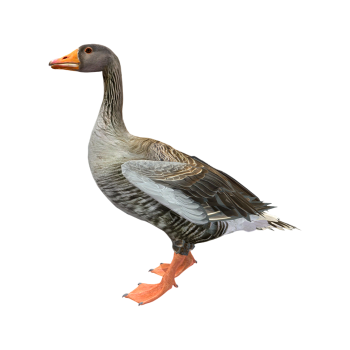
Wild Goose (3D animated model)
185 View
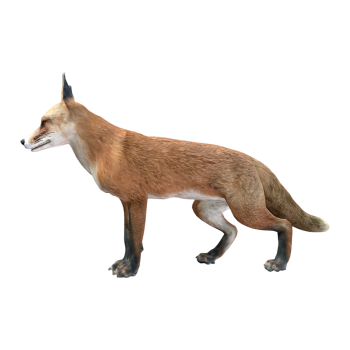
Red Fox (3D animated model)
153 View
Random Model

KTM Duke 200 Sport Motorcycle
872 View
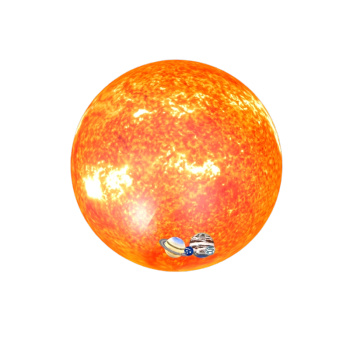
proportional solar system
627 View

Wauchelvik Cup
759 View

US AH-64D "Longbow Apache" gunship
739 View

Soviet Su-15TM Interceptor
712 View

A slice of watermelon
319 View

Oranges
414 View

Wamalina Benedictine Monastery
625 View

Nissan GT-R white 2014
711 View

Yugoslav M-84 main battle tank
706 View